

NOOKA is now a part of the Smithsonian Cooper Hewitt Museum collection of American Design
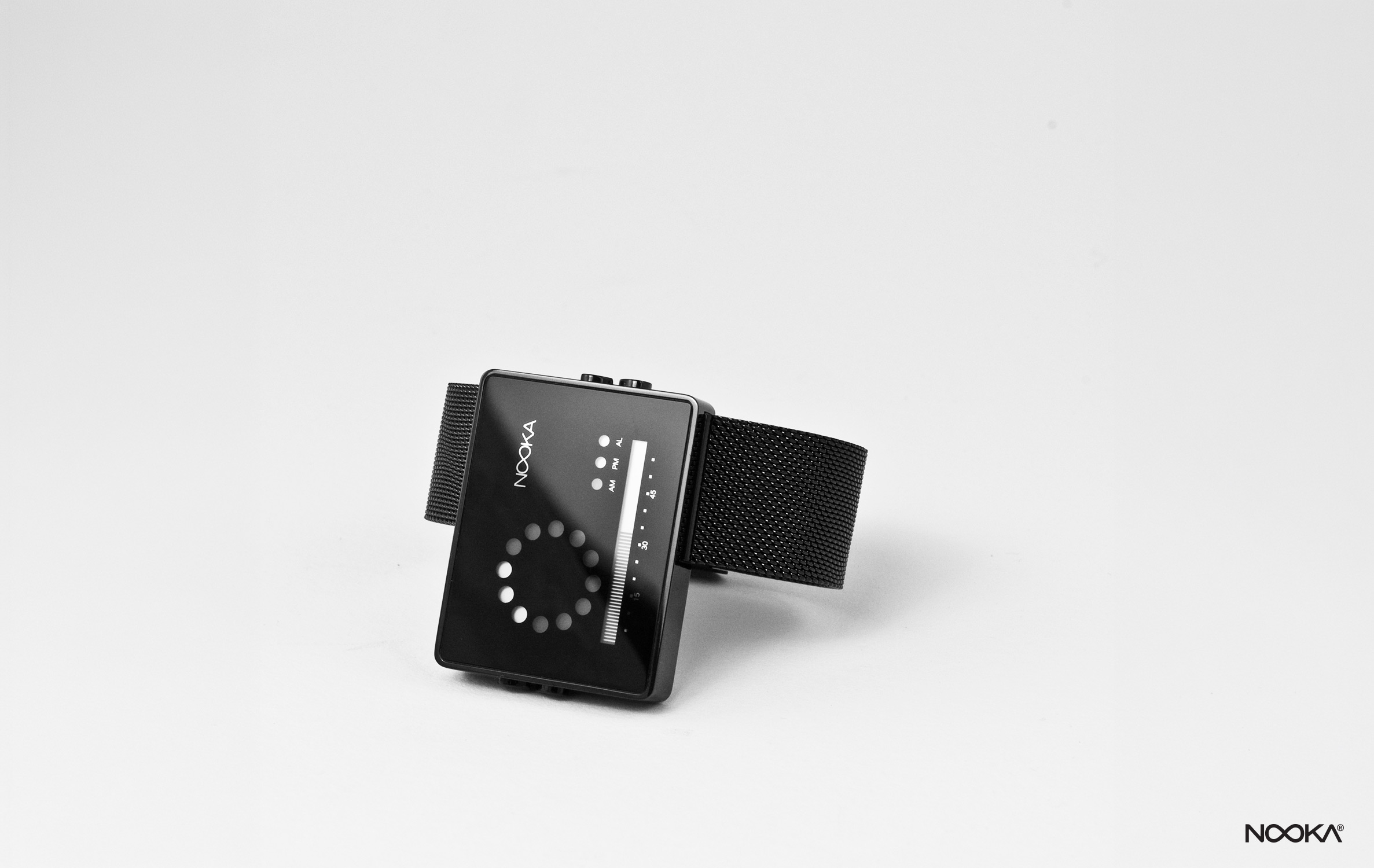
The NOOKA ZIRC has an passive intelligent graphic display that communicates times intuitively. The weight of the watch is transferred to the wrist for a weightless feeling.
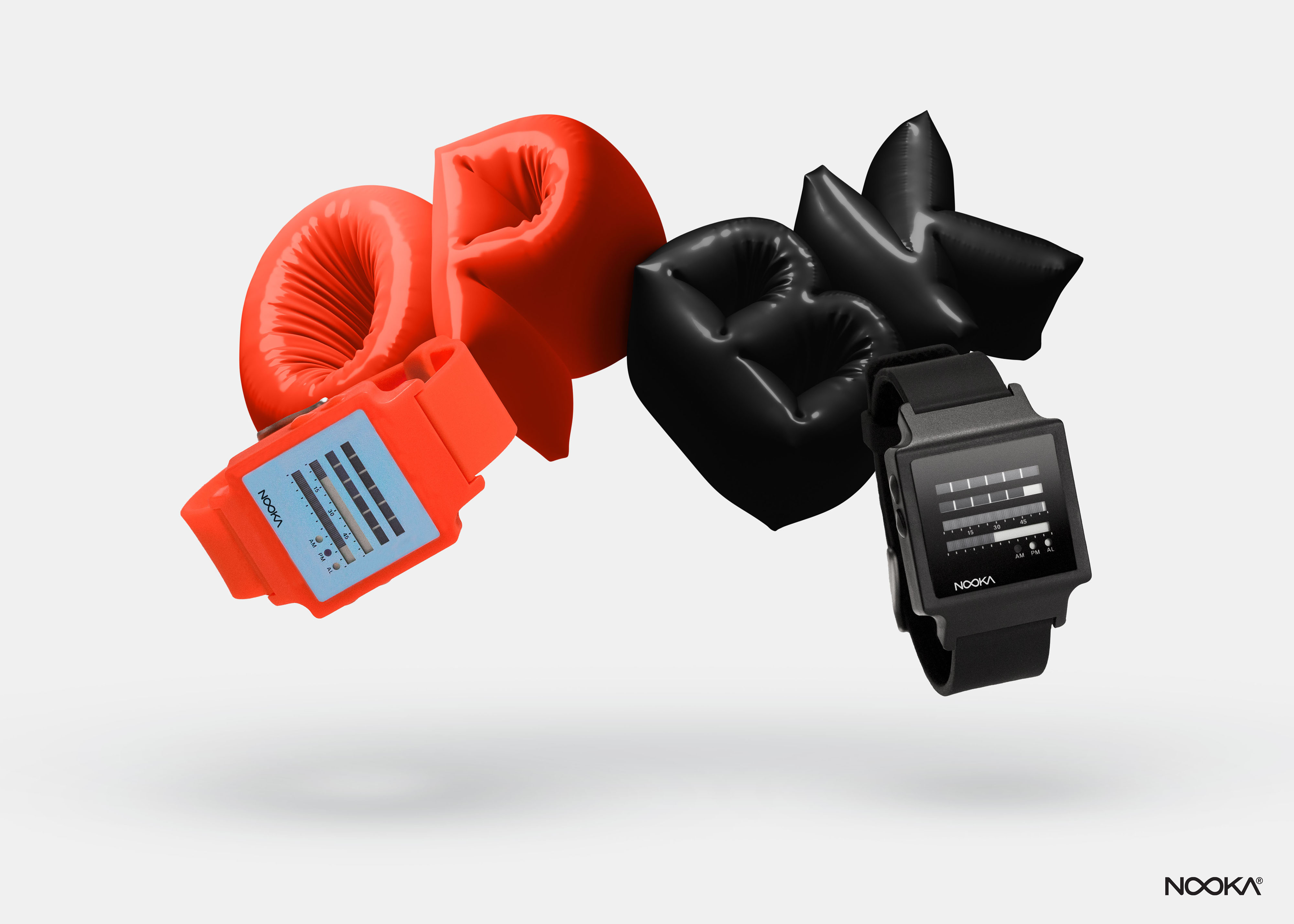
The NOOKA ZEN K model in pop fashion colors feature a passive intelligent display that makes reading time intuitive and fun.
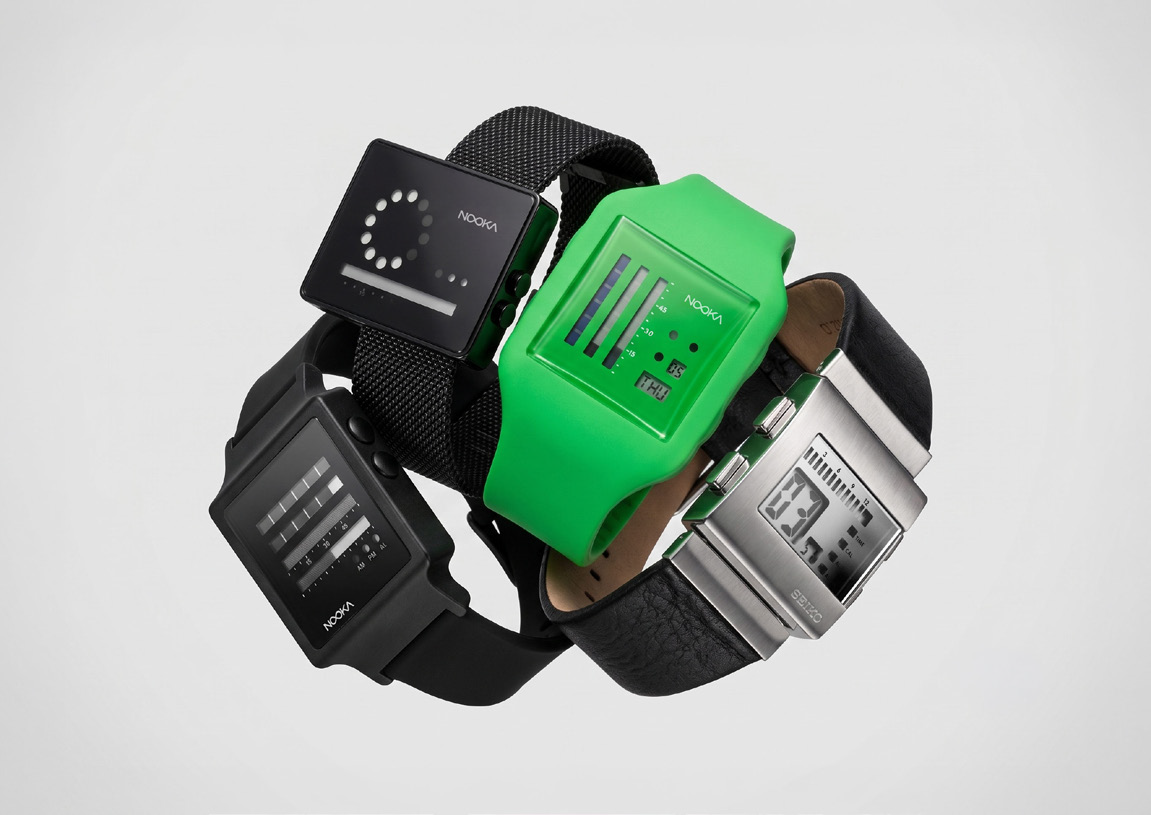
The 4 NOOKA models in the Collection of the Smithsonian Cooper Hewitt Design Museum
Cooper Hewitt, Smithsonian Design Museum adds four NOOKA watches by Matthew Waldman to National Design Collection. “The future should not look like the past.”
Four wristwatches designed by Matthew Waldman for NOOKA have entered the permanent collection at Cooper Hewitt, Smithsonian Design Museum, recognizing a body of work that rethought how time could be read through visual language, interface, and form.
The four works newly included in the collection are the Seiko model CAL.W524 Nooka Wristwatch (1999), the Nooka ZUB Zen V Wristwatch (2007), the Nooka Zub Zen-H 20 Wristwatch (2009), and the Nooka Zirc Wristwatch (2008). Together, they trace NOOKA’s development from its early licensed production with Seiko to the later independent products manufactured by NOOKA Inc.
The acquisition recognizes NOOKA’s contribution to design history through innovative time displays that challenged the conventions of analog watchmaking and translated interface thinking into wearable objects.
“NOOKA was my attempt to communicate without words, transcending geopolitical and cultural borders using design as a multifaceted language,” said Waldman.
The objects included in the acquisition are:
· Seiko model CAL.W524 Nooka Wristwatch, 1999 — Designed by Matthew Waldman (American, born 1965); manufactured by Seiko (Japanese, founded 1891); stainless steel, leather, glass, quartz crystal, LCD display; 23 × 4.2 × 1.4 cm (9 1/16 × 1 5/8 × 9/16 in.).
· Nooka ZUB Zen V Wristwatch, 2007 — Designed by Matthew Waldman (American, born 1965); manufactured by Nooka Inc. (American, founded 2004); polyurethane, ABS plastic, stainless steel, quartz crystal, LCD display; 24.1 × 3.8 × 3.8 cm (9 1/2 × 1 1/2 × 1 1/2 in.).
· Nooka Zub Zen-H 20 Wristwatch, 2009 — Designed by Matthew Waldman (American, born 1965); manufactured by Nooka Inc. (American, founded 2004); polyurethane, ABS plastic, quartz crystal, metal, LCD display; 24.8 × 4.1 × 1.4 cm (9 3/4 × 1 5/8 × 9/16 in.).
· Nooka Zirc Wristwatch, 2008 — Designed by Matthew Waldman (American, born 1965); manufactured by Nooka Inc. (American, founded 2004); stainless steel, glass, leather, quartz crystal, LCD display; 25.4 × 4.8 × 1.5 cm (10 × 1 7/8 × 9/16 in.).
NOOKA emerged from Waldman’s early work in interaction and user experience design and from a broader philosophy of universal communication expressed through Waldman’s “NOOKAFESTO.” The brand’s core ideas emphasized purposeful design, interaction, futurism, and visual systems that could be understood across languages and cultures.
The NOOKA project challenged conventional design by making complex functions intuitive and visual. Waldman also framed the project through a future-oriented ethos captured in the tagline: “THE FUTURE SHOULD NOT LOOK LIKE THE PAST.”
The first NOOKA products were produced under license by Seiko, and later the brand continued independently under NOOKA Inc., launching at MoMA design stores in New York and Tokyo before expanding into a broader line of accessories and collaborations. Over time, NOOKA became known not only in design circles but also in fashion and music, while its watches entered museum and institutional collections in Japan, Greenwich England, and Amsterdam.
About the National Design Collection
From ancient textiles and works on paper to icons of modern design and cutting-edge technologies, Cooper Hewitt’s collection serves as inspiration for creative work of all kinds and tells the story of design’s paramount importance in improving our world. Currently, the collection of over 215,000 objects spans more than 30 centuries across cultures from all over the globe.
About Cooper Hewitt, Smithsonian Design Museum
Cooper Hewitt is America’s design museum. Inclusive, innovative, and experimental, the museum’s exhibitions, education programs, master’s program, publications, and online resources are intended to inspire, educate, and empower people through design. An integral part of the Smithsonian Institution, the museum is located on New York City’s Museum Mile in the landmarked Carnegie Mansion and stewards a collection of more than 215,000 objects ranging from an ancient Egyptian faience cup dating to about 1100 BC to contemporary 3D-printed objects and digital code.
Matthew Waldman
SAN-Q LLC
info@nooka.com
Visit us on social media:
LinkedIn
Instagram
X
Legal Disclaimer:
EIN Presswire provides this news content "as is" without warranty of any kind. We do not accept any responsibility or liability for the accuracy, content, images, videos, licenses, completeness, legality, or reliability of the information contained in this article. If you have any complaints or copyright issues related to this article, kindly contact the author above.
